Traditional microscopes and portable digital microscopes can both provide useful close-up views. The main differences are portability, image documentation, lighting, and how the image is viewed.
[compare] Traditional microscope | Uses optical lenses, slides, and adjustment controls. Well suited to stationary observation, but documenting the view usually requires a separate camera or phone. Takmly microscope | Uses a portable digital camera for close-up viewing on a screen, making mobile inspection and digital documentation more convenient. [/compare]Traditional Microscopes
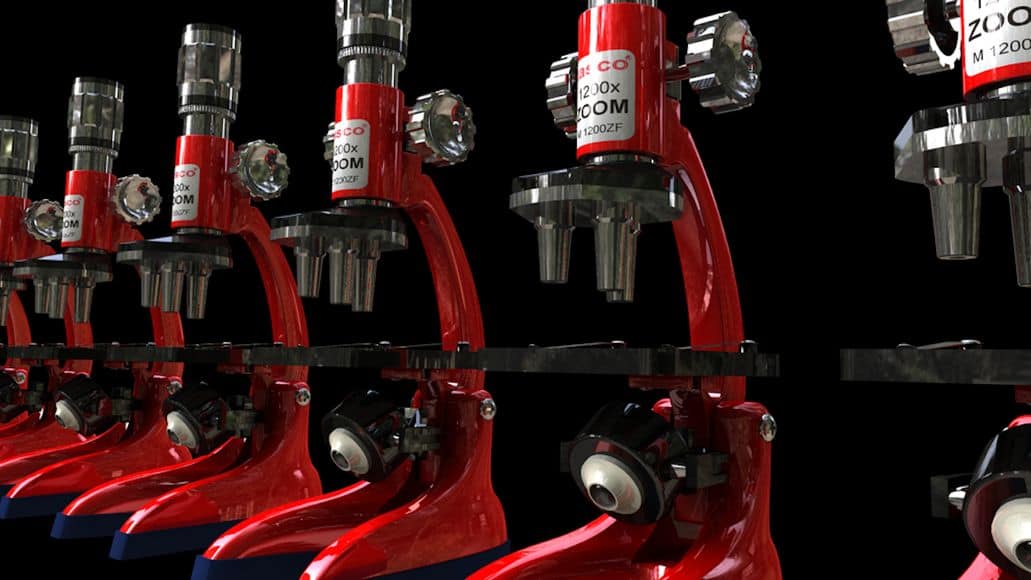
Traditional microscopes remain useful scientific instruments for detailed observation. Their larger stationary design can also provide a stable viewing setup for more serious study.
- Some models require an additional light source.
- Recording or photographing observations may require a separate device.
- They are generally less convenient to carry than compact digital microscopes.
Compact and Digital Microscopes
Compact microscopes are easier to carry and can be useful for quick close-up inspection. Their small size can also make image documentation more convenient.
[note] A compact design does not automatically provide the same image quality as a larger stationary microscope. Results depend on the microscope, focus, lighting, and viewing setup. [/note]Image Clarity

Clear focus and visible detail matter more than a large magnification number. Adjust the viewing distance and focus until the subject appears sharp enough for the detail you need.
[reference] Title: Image Saving Text: Saving images can help document observations and compare changes over time or under different conditions. Title: Magnification Text: Higher magnification is not always necessary. Use enough magnification to reveal the required detail, and increase it only when examining smaller features. Title: Build Quality Text: Fewer exposed or fragile parts can make a portable microscope easier to handle, while larger stationary microscopes may provide better image quality in some setups. [/reference] [warning] Avoid drops, impacts, and water exposure. Portable and stationary microscopes can contain lenses, electronics, or small parts that may be damaged by rough handling. [/warning] [tip] For practical inspection, prioritize a sharp, well-lit image over the highest available magnification. [/tip]